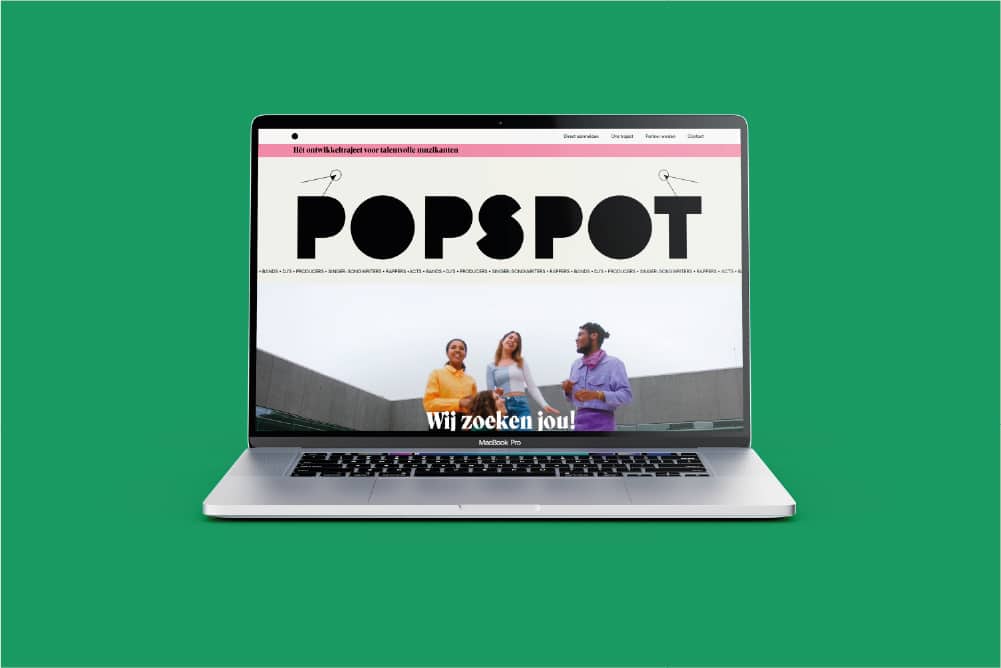
Brand recognition

Brand recognition, Brand awareness, Name recognition, Recognisability, Brand awareness, Brand identification
Brand recognition is the extent to which people immediately recognise your brand from visual, auditory or textual elements. Strong recognition reduces marketing costs and increases conversion.

What is brand recognition?

Brand recognition is the extent to which your target audience recognises your brand through visual, auditory or textual features, without explicitly mentioning the brand name. It is about the immediate association that arises when someone encounters your logo, use of colour, typography, tone of voice or other brand expressions. Strong brand recognition makes potential customers remember your company faster, trust it earlier and choose it over competitors more often. For SMEs, this means lower acquisition costs and higher conversions because you don't have to re-explain who you are at every interaction.

How brand recognition works in practice

Brand recognition occurs through consistent repetition of brand attributes across all contact moments. Think of an online shop that always uses the same colour, font and visual style in newsletters, on social media, in packaging and on the website. Over time, people will start linking these elements to your company. Our trajectories show that SMEs with a consistent visual identity are recognised on average 30 per cent faster on second contact. The mechanism is simple: the more often someone sees the same combination of design, language and imagery, the stronger the mental link becomes. This link also works subconsciously. Even if someone forgets your brand name, a recognisable colour or design language can be enough to generate interest.

Why brand recognition came about and still matters today

The concept of brand recognition comes from the advertising world of the last century, when brands such as Coca-Cola and Shell discovered that visual consistency drives sales. In a crowded market with many vendors, recognition is a shortcut: people are more likely to choose what they know. Today, this principle applies even more strongly. Dutch consumers see hundreds of advertisements, newsletters and social posts every day. Companies that are not recognisable disappear into the noise. Brand recognition helps you stand out without having to tell your story over and over again. It lowers the barrier to action because familiarity reduces risk. For SMEs that don't have a multi-million dollar budget, brand recognition is an efficient way to stay top-of-mind with prospects.

What brand recognition brings to SME companies

Strong brand recognition lowers your cost per acquisition and increases the effectiveness of your marketing efforts. Customers who already know your brand click through faster, read longer and convert more often. Among SME clients, we see that recognisable brands achieve up to 40 percent higher open rates in e-mail marketing. In addition, brand recognition increases your bargaining power: suppliers and partners take you more seriously if you have a professional, consistent appearance. To achieve this, you need a well thought-out brand identity that is consistently applied. Brand recognition is not an end in itself, but a means to build trust faster and waste less budget on repeating basic messages. It works best when your visual identity, tone of voice and content strategy fit together seamlessly.

Applications of brand recognition

You apply brand recognition in any situation where you are visible to your target audience. It's not just about ads, but also invoices, quotes, packaging, e-mail signatures and even your out-of-office messages. Every interaction is an opportunity to reinforce recognition. Below you can see four concrete situations where SME companies are using brand recognition to achieve measurable results.

Consistent visual identity across all channels

A building materials wholesaler uses the same colour combination, logo placement and typography on its website, newsletter, van and showroom. This makes customers recognise the company immediately, even if they only see the truck driving by. This increases the likelihood that they will think of this company first in their next purchase need. Consistency does not mean that everything looks the same, but that the same visual language recurs. Think a fixed colour for call-to-action buttons, a recognisable image filter and consistent logo use. In SMEs with fewer than 10 employees, this is often the first area for improvement, as everyone creates their own templates with no central guideline.

Recognisable tone of voice in all texts

A SaaS planning software company writes all its content in a direct, practical tone without jargon. Whether it is a product update, a blog article or a chat message, the style remains the same. Customers recognise the company by the way it writes, even before they see the logo. This works especially well in sectors where competitors use generic marketing language. A recognisable tone of voice strengthens your brand identity and makes your content easier to remember. For effective application, your tone of voice should be documented in a brand manual so that everyone on your team speaks the same language. This also applies to external copywriters and agencies that write SEO content for you.

Brand recognition in packaging and product experience

An online shop in sustainable household products packs every order in the same reusable fabric bag with an eye-catching pattern. Customers immediately recognise the brand when the parcel deliverer rings the doorbell. Some customers post photos of the packaging on social media, generating free brand visibility. This principle also applies to digital products: a recognisable onboarding e-mail, a fixed colour scheme in your dashboard or a unique welcome video strengthen brand recognition. With physical products, packaging is often the first tangible contact moment after an online purchase. A cheap, generic box wastes that opportunity. Recognisable packaging enhances the experience and increases the likelihood of repeat purchases.

When brand recognition is the right choice and when it is not

Brand recognition makes sense if you have a recurring target audience and you compete in a market with many suppliers. For a local bakery, a B2B service provider or an online shop with repeat purchases, investment in recognition pays off. It works less well if your company does one-off, highly complex projects where each customer is unique and decisions are made purely based on price or specifications. Even if your brand does not yet have a clear positioning, it is wise to get your strategy and target audience in focus before investing in visual consistency. Brand consistency reinforces what you already have, but does not solve an unclear proposition. So start with a clear brand strategy and visual identity, and then apply it consistently.

Want to apply this in your company? Monkey Vision helps SME entrepreneurs with web design, SEO and smart digital solutions. Plan a no-obligation discovery call and discover what is possible for you.

Plan a discovery call

Frequently asked questions

No, brand recognition and brand awareness are two different concepts. Brand recognition measures whether people know or have heard of your brand name. Brand recognition goes one step further: it measures whether people recognise your brand by visual or other features, without explicitly mentioning the name. An example: someone sees an orange truck with a certain logo and immediately thinks of your company, even though the name is not on it. So brand recognition is broader and more abstract, brand recognition is more concrete and more directly linked to visual identity. For SMEs, brand recognition is often more valuable because it leads to action faster. People don't have to actively think about your brand name, they see you and immediately know what you do.

It depends on your stage and target audience. Brand recognition helps you get into the picture in the first place, brand preference makes people choose you over a competitor. In practice, both are needed, but the order differs. If you are a new brand or have low brand awareness, invest in brand recognition first. Make sure people remember and recognise you. If you are already known but see little conversion, work on brand preference by sharpening your proposition or improving customer satisfaction. For SMEs with limited budgets, we recommend starting with a consistent visual identity and tone of voice. This builds recognition, which lays the foundation for preference. Without recognition you won't get shortlisted, without preference you won't win the deal.

You can measure brand recognition without expensive market surveys. With every new customer contact, ask how they found you and whether they have come across your brand before. Track how many people navigate directly to your website instead of through search engines. Monitor how many people tag your brand on social media or mention your name in reviews. A simple post-purchase survey asking "Did you recognise our brand before you made this purchase?" already provides insight. For e-mail campaigns, you can compare open rates: recognisable senders score higher. For local companies, an informal test also works: show people in your target group your logo or brand identity without a brand name and ask if they know whose it is. These methods take little time and give a practical picture of your brand recognition.

Want to know if your brand recognition is strong enough and where you can improve? Schedule a free 45-minute brand analysis at Monkey Vision. We will walk through your current expressions, from website to social media and offline channels, and immediately give you three concrete areas for improvement that you can pick up this month. You will also get an honest estimate of how much consistency-gain can be achieved in your industry. No sales pitch, just practical advice based on our experience with dozens of SME brands. Book your Monkey Vision brand identity session and discover where your brand stands now and what is the next step.

About the author

Monkey Vision

Monkey Vision is a full-service digital agency based in London, specialising in web design agency, SEO and AI automation for SMEs. The knowledge base is compiled by our team of online strategists and continuously updated based on current insights.

Publication date: 26-04-2026
Last update: 26-04-2026