Conversion Design

Conversion optimisation, Conversion optimisation, CRO, Conversion Rate Optimisation, Conversion design, Conversion-focused design
Conversion design is the design of web pages and interactions with the aim of encouraging visitors to take a desired action. It increases conversion rates by combining psychology, UX and testing.

What is Conversion Design?

Conversion design is the strategic design of web pages, forms and interactions with the aim of encouraging visitors to take a desired action, such as a purchase, registration or contact enquiry. It combines insights from user psychology, visual hierarchy and behavioural science with practical UX principles. Rather than simply designing for aesthetics or functionality, conversion design focuses on measurable results: more leads, higher turnover or lower drop-off rates in the ordering process.

How conversion design works in practice

Conversion design begins by identifying the desired action and the barriers preventing visitors from taking it. For example, an online shop with a high shopping basket abandonment rate analyses where customers drop out: at the delivery costs stage, due to unclear payment options, or because a form is too long. You adapt the design based on data and user testing. You remove distractions, reinforce trust elements such as quality marks and reviews, and make the call-to-action visually prominent. Through A/B testing, you test different variants against each other and measure which approach actually generates more conversions. In this way, you gradually build a page that not only works well but also performs measurably better.

Why conversion design is now central to web design

In the past, web design focused primarily on aesthetics and technology. But as companies invest more in online marketing, the pressure to recoup that investment is growing. A beautiful website that doesnโ€™t convert costs money rather than generating it. Conversion design offers a solution by linking design to business results. Furthermore, Google rewards pages that help users quickly and effectively via Core Web Vitals and user signals. Companies that implement conversion design often see a 20 to 50 per cent increase in conversions without attracting any additional traffic. This makes it one of the most cost-effective ways to achieve growth.

What conversion design delivers for small and medium-sized companies

For a small to medium-sized company, conversion design means getting more out of your existing visitors. Instead of spending thousands of pounds extra on adverts, you optimise the pages you already have. A consultancy firm with 500 visitors per month and a conversion rate of 2 per cent generates 10 leads. Through targeted adjustments to the contact form, the header and social proof, the conversion rate rises to 4 per cent, yielding 20 leads without any additional marketing budget. In web design projects at Monkey Vision , we integrate conversion design right from the start, ensuring that every page not only looks good but also makes a measurable contribution to your business objectives. This saves months of optimisation work later on.
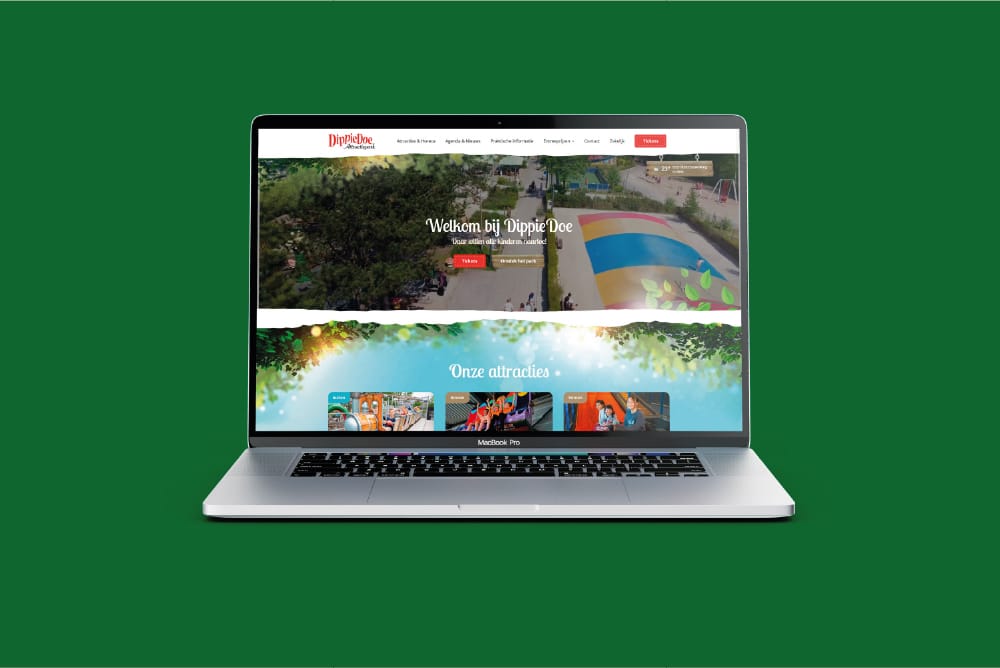
Applications of Conversion Design

Conversion design is not a one-size-fits-all approach. Its application varies greatly depending on the type of page, target audience and desired action. Below are four specific situations in which conversion design makes a difference, and when it is better not to apply it.

Landing pages for campaigns and lead generation

A landing page has one goal: to persuade the visitor to take action. Conversion design ensures that everything on that page supports that goal. You remove navigation to minimise distractions, place the call-to-action above the fold, and use a powerful headline that ties in directly with the advert or search query. Social proof, such as customer reviews or case study results, reinforces trust. A B2B service provider offering a white paper often finds that a short form with three fields converts better than a lengthy form with ten questions. By analysing heatmaps and scroll depth, you can identify where visitors drop off and adjust the design accordingly. The result: more downloads, sign-ups or quote requests from the same traffic.

Online shop checkout process and shopping basket optimisation

The checkout process is the most critical phase in an online shop. On average, 70 per cent of visitors abandon their purchase before it is finalised. Conversion design tackles this drop-off by making the process transparent, fast and secure. You display the total price, including delivery costs, early in the process; offer guest checkout so that registration isnโ€™t compulsory; and prominently integrate well-known payment methods such as iDEAL and PayPal. Trust signals such as SSL certificates and return guarantees lower the barrier to purchase. An online shop with 1,000 visitors per month and a conversion rate of 1.5 per cent generates 15 orders. By optimising the checkout design, the conversion rate rises to 2.5 per cent, resulting in 10 extra orders per month. As part of an online shop project, we test different checkout variants to find the best balance between speed and completeness.

Content pages and blog-to-lead conversion

Not every page has a direct sales intent, but that does not mean conversion plays no role. A knowledge base article or blog post can encourage visitors to take the next step: signing up for a newsletter, downloading a checklist or viewing a related service. Conversion design ensures that this next step is logical and appealing. You place an inline call-to-action halfway through the article, offer a relevant lead magnet that ties in with the topic, and use exit-intent pop-ups for visitors who are about to leave the page. A consultancy firm that attracts 2,000 visitors to its blog each month often finds that 1 per cent sign up for the newsletter. Through targeted CTAs and a clear value proposition, this figure rises to 3 per cent, generating 40 extra leads per month. That forms the basis for long-term customer relationships.

When conversion design is the right choice and when it isnโ€™t

Conversion design works best when you already have traffic and want to optimise it. There is no point in testing a landing page in detail if you only receive 50 visitors per month; the data is then too limited to draw reliable conclusions. First, you need sufficient traffic, preferably at least 500 visitors per month per page. Conversion design is also less suitable for purely informational pages without a conversion goal, such as a privacy policy or terms and conditions. In such cases, clarity and accessibility are more important than persuasiveness. Apply conversion design when you have a clear objective, collect sufficient data, and are prepared to test and make adjustments on an ongoing basis. In that case, it is one of the most powerful ways to get more out of your existing website investments.

Want to apply this in your company? Monkey Vision helps SME entrepreneurs with web design, SEO and smart digital solutions. Plan a no-obligation discovery call and discover what is possible for you.

Plan a discovery call

Frequently asked questions

No, although they do overlap. UX design focuses on the overall user experience: how intuitive, pleasant and accessible a website is. Conversion design has a more specific aim: to encourage visitors to take a desired action. A UX designer makes a form clear and easy to complete. A conversion designer, on the other hand, tests whether a shorter version with three fields converts better than a more detailed version with ten questions, and includes social proof alongside the form to boost trust. In practice, you often see that good UX forms the basis for conversion, but that conversion design builds on this by making strategic choices that can be directly measured in terms of leads or turnover. At Monkey Vision , we combine both disciplines in every web design project.

That depends on your current situation. If your conversion rate is below 2 per cent, conversion design often yields better results than additional adverts. An online shop with 1,000 visitors per month and a 1 per cent conversion rate generates 10 orders. By increasing the conversion rate to 3 per cent, youโ€™ll get 30 orders from the same traffic โ€“ a 200 per cent increase at no extra cost. A larger advertising budget only works effectively if your website already has a strong conversion rate. Otherwise, youโ€™ll be paying for traffic that ends up leaving the site anyway. In practice, weโ€™ve found that a combination of approaches works best for SME clients: first optimise conversion, then scale up by driving more traffic. That way, youโ€™ll get the maximum return on every pound invested.

Start by identifying your key conversion goal: a purchase, sign-up, quote request or download. Then analyse where visitors are currently dropping off using Google Analytics or a heatmap tool. Look at pages with high bounce rates and try to understand why. Common barriers include unclear calls to action, overly long forms, a lack of trust-building elements or slow loading times. Make a list of three specific areas for improvement and test one change at a time using A/B testing. This will help you learn what works for your target audience. Donโ€™t have the time or in-house expertise? Then book a free conversion scan at Monkey Vision. In 30 minutes, weโ€™ll go through your most important pages and give you three immediate areas for improvement that you can tackle this week.

The best approach depends on your current conversion rate and available data. Do you already have a working website but arenโ€™t sure where the opportunities lie? Then book a free 30-minute conversion scan at Monkey Vision. Weโ€™ll walk you through your key pages in real time and immediately provide three areas for improvement that you can tackle this week, plus an honest assessment of the growth potential for your situation. Youโ€™ll receive specific recommendations based on your target audience, traffic and conversion goals. No sales pitch โ€“ just practical advice you can put into practice straight away. Find out more about our approach to SEO and conversion optimisation, or get in touch straight away.

About the author

Monkey Vision

Monkey Vision is a full-service digital agency based in London, specialising in web design agency, SEO and AI automation for SMEs. The knowledge base is compiled by our team of online strategists and continuously updated based on current insights.

Publication date: 12 June 2026
Last updated: 12 June 2026