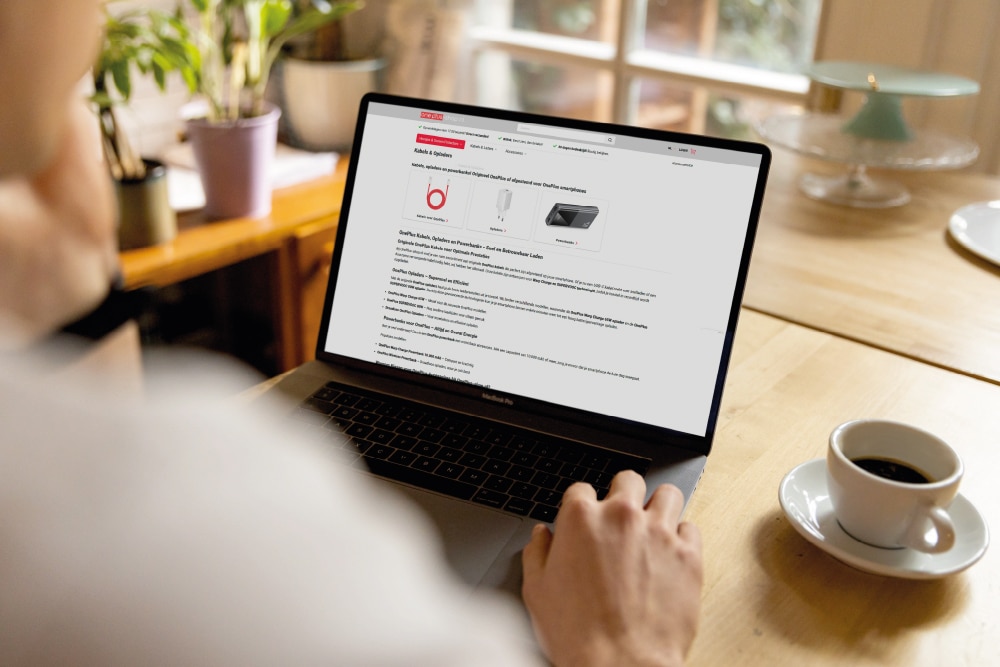
E-commerce platforms are software systems that allow you to sell products or services online, process payments and manage orders. They offer a complete suite of features: from product catalogues and shopping trolleys to shipping integrations and customer accounts. For SME entrepreneurs, these platforms form the technical basis of an online shop, without the need to programme everything yourself.
How e-commerce platforms work
An e-commerce platform combines various technical components into a single functioning system. Products are managed via a dashboard, customers add items to their shopping basket, and the platform handles the checkout with payment providers such as Mollie or Adyen. Following a successful payment, the system sends order confirmations, updates stock levels and integrates with your fulfilment partner. Most platforms use templates that you can customise to match your brand identity, so you don’t have to build everything from scratch. Technically speaking, the platform runs on the provider’s servers (SaaS) or on your own hosting (self-hosted), depending on the type of platform you choose.
Why e-commerce platforms emerged and are now standard
Before the advent of e-commerce platforms, every company built its own fully bespoke online shop. That took months of development time and tens of thousands of pounds. Platforms such as WooCommerce, Shopify and Magento changed that by offering reusable functionality. Instead of programming everything yourself, you choose a platform and customise it. The rise of secure online payments and logistics APIs made platforms even more powerful: with just a few clicks, you can integrate with PostNL, DHL or your accounting system. For Dutch SMEs, this means you can go live within weeks, rather than investing months in bespoke development.
What e-commerce platforms offer companies
With a well-chosen e-commerce platform, you can reduce the lead time from idea to live online shop from months to weeks. You gain immediate access to tried-and-tested functionality: secure payments, stock management, dispatch labels and customer accounts. Platforms such as WooCommerce and Shopify offer thousands of plugins and apps that allow you to add features without any programming knowledge. This saves on development costs and gives you flexibility. In practice, we see with SME clients that a platform with good integrations halves the operational burden: no manual order processing, no duplicate stock management. If you’re considering launching an online shop or professionalising your current one, a well-planned online shop implementation process will help you choose the right platform and set it up efficiently.