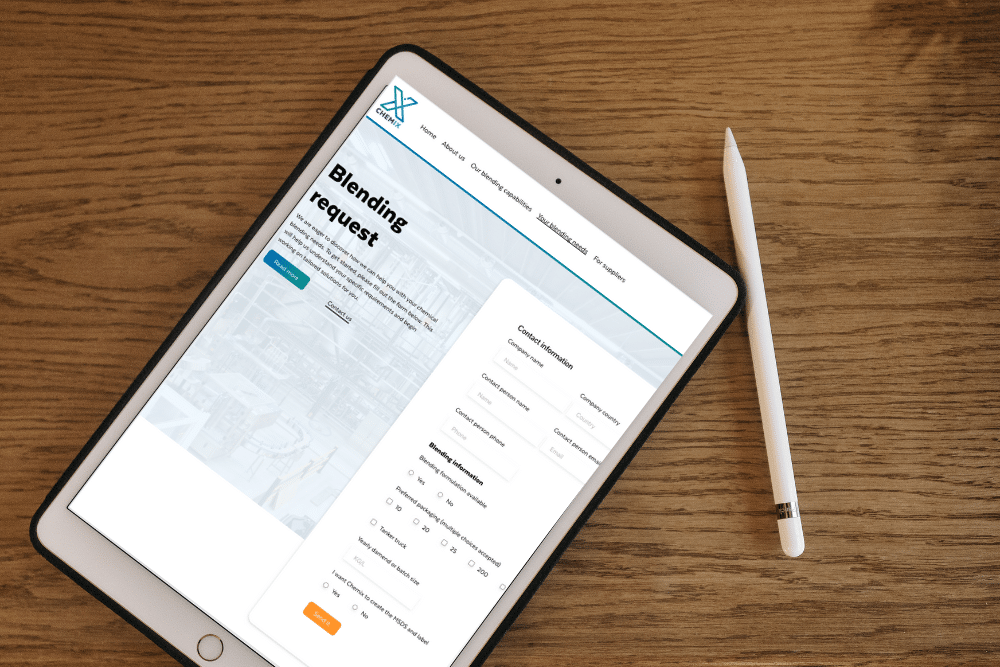
Lead Magnet

Lead magnet, Opt-in offer, Free download, Content upgrade, Freebie, Gated content
A lead magnet is free valuable content you use to collect email addresses of potential customers. Works for B2B and B2C.

What is a lead magnet?

A lead magnet is a free, valuable offer that allows you to collect email addresses from potential customers in exchange for content such as a white paper, checklist, e-book or webinar. It is the first step in a sales funnel: you give away something useful to obtain permission for further communication. An effective lead magnet solves a specific problem your target audience is facing right now, not something they might want to know in three months’ time.

How a lead magnet works in practice

The process is simple: a visitor arrives at your website, sees an offer that perfectly matches their needs, enters their email address and receives immediate access to the content. This email address is added to your CRM or email marketing tool, such as ActiveCampaign or Mailchimp. From that moment on, you can continue to nurture the lead with relevant follow-ups. The difference compared to simply offering a newsletter is that a lead magnet provides immediate value and solves a specific pain point. A newsletter promises future value, which has far less conversion power. The average conversion rate for a generic newsletter sign-up is around 1 to 2 per cent, whilst a targeted lead magnet often achieves 10 to 25 per cent, depending on how well the offer matches the traffic source.

Why lead magnets came into being and why they still work today

Lead magnets became popular when email marketing emerged as an alternative to expensive outbound campaigns. Companies discovered that people are willing to share their details if the exchange of value feels fair. In today’s privacy-conscious market, this has only become more pronounced: people expect a good reason to hand over their email address. The Dutch Data Protection Authority has clear rules on consent and transparency, which means you must always state what someone is signing up for. A lead magnet that really works makes that consent natural and easy. It still works because it is based on reciprocity: you provide value, the other person gives their trust.

What a lead magnet brings to SME companies

For an SME company, a lead magnet is the first link in a measurable lead generation strategy. You build a list of people who have shown interest in your expertise, not just random visitors. You can use that list for product launches, events or new offerings. A web design agency that offers a checklist on accessibility collects leads that are actively working on a website improvement. An accounting firm that gives away a VAT guide attracts entrepreneurs who are now sitting with that question. That makes follow-up much more effective than cold outreach. At Monkey Vision , we see that clients with a strong lead magnet can translate their SEO efforts directly into concrete leads, because organic traffic not only seeks information but also takes action.

Applications of a lead magnet

The power of a lead magnet lies in the variety of formats and target groups. You can apply the same principle for B2B services, e-commerce, local companies and even non-profit organisations. What matters: the lead magnet connects to the stage your visitor is in and offers a solution they can use immediately. Below are four concrete scenarios in which SMEs use lead magnets effectively.

Knowledge sharing for B2B service providers

Consulting firms, law firms, IT companies and marketing agencies use white papers, e-books or industry reports as a lead magnet. For example, an HR consultant offers a "Roadmap for lawful dismissal procedures". This attracts HR managers and directors who are now sitting with that question. The lead magnet positions the agency as an expert and filters at the same time: those who bother to download the document have a real need. Follow-up can consist of a personal consultation or a case study. This works better than a general newsletter because the intent is clear. In practice, we see that B2B leads who come in via a lead magnet have a shorter sales cycle because they are already building trust through the free content.

Product support for online shops and e-commerce

Online shops use lead magnets to convert visitors before they buy. A furniture shop offers a "Furnishing guide for small living rooms", a pet shop a "Feeding schedule for puppies". The lead magnet helps the customer make a better choice and positions the online shop as a reliable partner. Another format: discount codes or early access to new collections in exchange for an e-mail address. This works especially well for impulse purchases or seasonal products. Note: a lead magnet for e-commerce should deliver value quickly, not 40 pages of theory. A simple PDF with five tips or a two-minute video may be enough. Pair the lead magnet with a well-designed online shop and you will see conversions increase because you build trust before the checkout.

Local visibility for service providers

Local companies such as notaries, physiotherapists, accountants or painters can use a lead magnet to showcase their expertise without directly asking for a quote. A painter offers a "Colour advice for your living room", a notary offers a "Checklist for buying your first house". The lead magnet generates leads within a specific catchment area, which increases quality. Combine this with local SEO and Google Ads, and you attract people who are actively searching right now. A common mistake: offering too general content that does not differentiate from competitors. Make it specific to your region or specialisation. A Nijmegen accountancy firm offering a guide on ZZP regulations in Greater London attracts more relevant traffic than a general ZZP guide.

When a lead magnet is the right choice and when it is not

A lead magnet works if you have a longer sales cycle, if you want to demonstrate expertise or build a list for future campaigns. It doesn't work if your product is so simple that people buy immediately without further consideration, like a sandwich at a lunchroom. Nor if you have no capacity to follow up on leads: a list of 500 email addresses without follow-up is worthless. Avoid lead magnets if you can't guarantee consent under the AVG, or if your content is so generic that you don't differentiate. A lead magnet is not a replacement for a bad product or unclear proposition. It reinforces what is already working, it does not fix what is broken.

Want to apply this in your company? Monkey Vision helps SME entrepreneurs with web design, SEO and smart digital solutions. Plan a no-obligation discovery call and discover what is possible for you.

Plan a discovery call

Frequently asked questions

No, a lead magnet is a one-off offer with immediate value, while a newsletter is an ongoing communication with future value. A lead magnet solves a problem now, a newsletter promises to do so later. In practice, a lead magnet converts much better because the value exchange is more concrete. You can use a lead magnet as a first step to get someone to subscribe to your newsletter: after downloading the checklist, you offer to receive monthly tips. But the power is in the immediate solution, not in the promise. Many SMEs combine both: the lead magnet gets people in, the newsletter keeps them warm until they are ready to become customers.

It depends on the complexity of your service and the time your target audience has. B2B decision-makers with longer consideration appreciate white papers or webinars, while consumers often prefer a short checklist or video. Test what works: an accountant might start with a PDF guide and later offer a calculation tool. An online shop might test a discount code versus a style guide. Pay attention to the conversion design of your landing page: a form that is too long kills conversion, even with valuable content. In our projects, we see that simple formats like a five-step checklist or a template often perform better than elaborate e-books, simply because the threshold is lower. You add complexity in the follow-up, not in the lead magnet itself.

The biggest mistake is creating too general content that does not differentiate from what can be found for free online. A "Guide to social media marketing" without a specific slant attracts no one. Second mistake: too many questions in the form. Ask only e-mail address and possibly first name, not immediately company name, phone number and turnover. Third mistake: no clear follow-up. If someone downloads the lead magnet and then hears nothing, you are wasting the lead. Fourth mistake: not testing the lead magnet. Many companies launch one version and leave it at that. Test different titles, formats and offers to see what works best. A final mistake: not linking the lead magnet to an SEO strategy, so organic traffic does not find the landing page.

The best approach depends on your current situation and target audience. Do you already have traffic but few conversions? Then a lead magnet is the missing link. Want to know which format and funnel suit your service? Schedule a free 30-minute marketing scan at Monkey Vision. We will walk you through your current site and target audience and immediately give you three concrete ideas for lead magnets that fit your proposition. You'll also get an honest estimate of effort and potential. No sales pitch, just practical advice on SEO, content and conversion. So you know exactly where to start and what you can already pick up this month.

About the author

Monkey Vision

Monkey Vision is a full-service digital agency based in London, specialising in web design agency, SEO and AI automation for SMEs. The knowledge base is compiled by our team of online strategists and continuously updated based on current insights.

Publication date: 26-04-2026
Last update: 26-04-2026