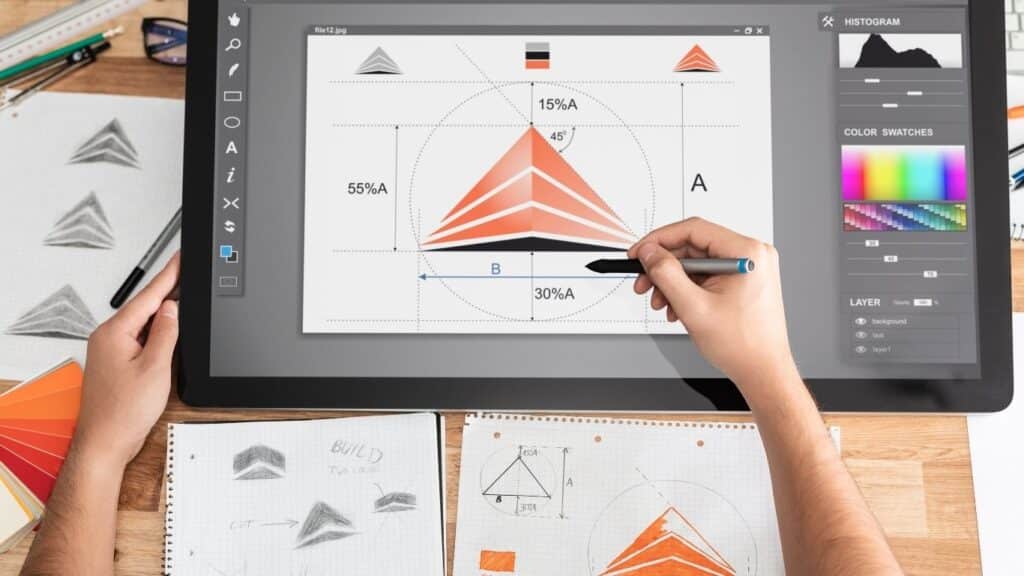
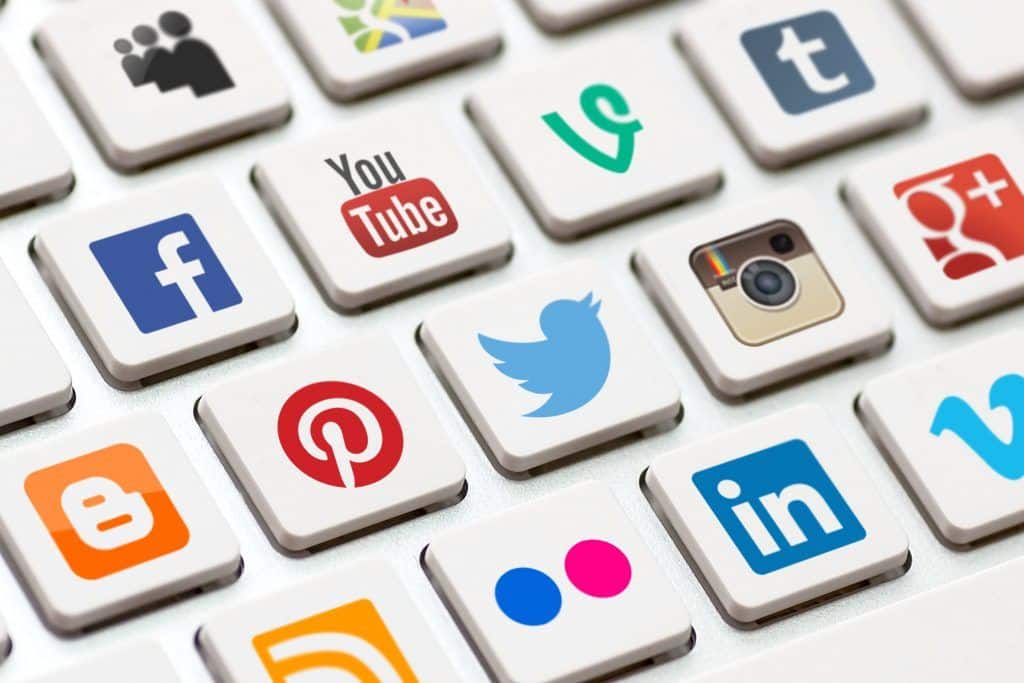
A logo is a visual symbol that represents your company and makes it recognisable. It can consist of an image, a letter, a symbol or a combination of these. A good logo encapsulates the essence of your brand in a single, compact image that customers will remember. For small and medium-sized companies, a logo is often the first point of contact with potential customers, whether that’s on a website, a business card or social media.
How a logo works in practice
A logo acts as a visual shorthand for your company name and brand promise. When someone sees your logo, it immediately evokes associations with your services, quality and values. Think of Apple’s apple or Nike’s swoosh. In the SME context, this works exactly the same way, just on a smaller scale. An installation company with a recognisable logo on its van builds brand awareness in the neighbourhood. An online shop with a consistent logo in the header, on invoices and in emails builds trust. The logo becomes the anchor of your visual identity, around which all other design elements are organised. The colours, fonts and shapes in your logo often determine the rest of your brand identity.
Why companies develop a logo
The concept of a trade mark has existed for centuries. Craftsmen used stamps to mark their work. With the rise of mass production and advertising in the 19th and 20th centuries, logos became essential for brand recognition. Today, a logo remains the most effective way to visually distinguish your company. In a market where consumers encounter hundreds of brands every day, a strong logo ensures you do not get lost in the crowd. For start-up entrepreneurs, it is often the first investment in brand identity. For established companies, a revamped logo can signal a strategic repositioning. The World Wide Web Consortium (W3C) also emphasises the importance of accessible logos with sufficient contrast and scalable formats for digital use.
What a logo can do for your company
A professionally designed logo immediately boosts your credibility. Clients take a company with a well-thought-out logo more seriously than a competitor with a makeshift design. In practice, at Monkey Vision we see that SME entrepreneurs are more frequently approached by larger clients following a rebrand with a new logo. A strong logo also makes you more easily recognisable at trade fairs, in Google search results and on social media. It makes it easier for customers to remember your brand and spread the word. Furthermore, a good logo offers flexibility: it works just as well on a 200-pixel-wide website header as it does on a 4-metre-high billboard. In a new website project, the logo often forms the starting point for the colour scheme, typography and tone of voice in the design.