Motion design is the discipline in which graphics, typography and illustrations come to life through animation. It combines principles from graphic design, film technology and storytelling to create moving images that convey a message, reinforce a brand or clarify complex information. In practice, you will see motion design in explainer videos, animated logos, website animations and social media content.
How motion design works in practice
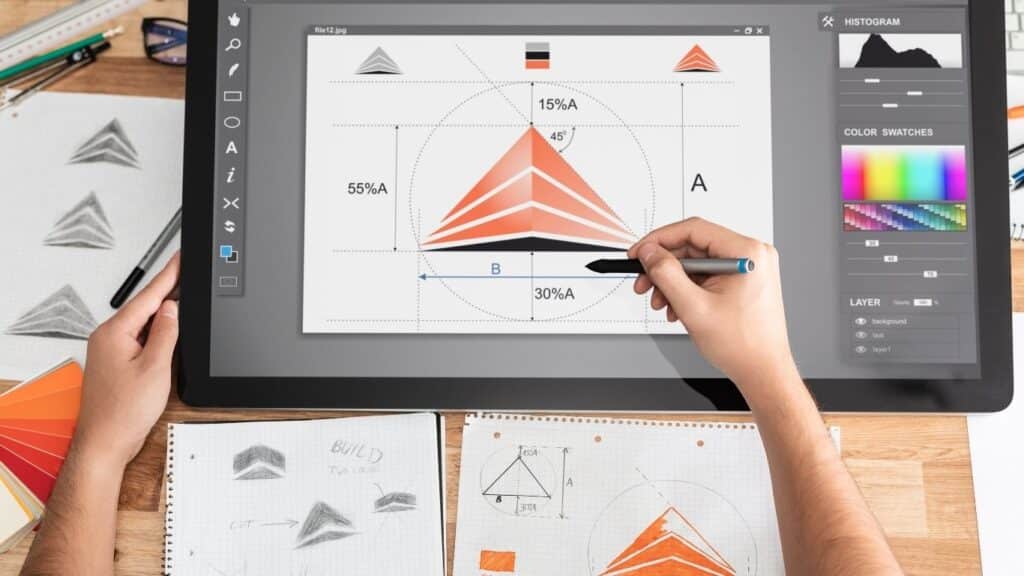
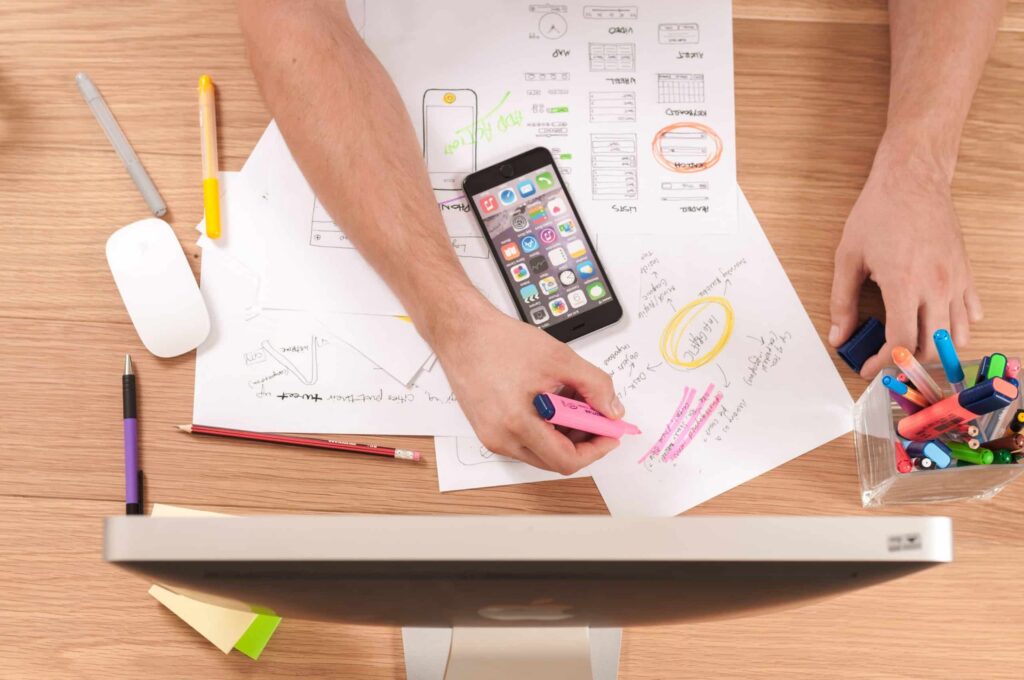
Motion design starts with a storyboard or concept in which you define what message you want to convey and how motion helps to do that. You then design the graphic elements in tools such as Adobe Illustrator or Figma. The actual animation is done in software such as After Effects, where you set timing, easing and transitions. A typical motion design project for an SME company takes two to four weeks, depending on the complexity and number of revision rounds. The difference with regular video is that motion design does not use filmed material, but consists entirely of designed and animated elements.
Why motion design is now widely used
Motion design originated with film titles and TV leads in the 1960s, but got a huge boost from 2010 onwards due to social media and shorter attention spans. Platforms like Instagram, LinkedIn and TikTok favoured moving content over static images. At the same time, affordable software and faster internet speeds made motion design accessible to smaller companies. Research by Google shows that videos and animated content are viewed longer on average than text, making motion design an effective means of conveying messages in a crowded digital environment.
What motion design brings to your company
For SME entrepreneurs, motion design offers a powerful way to clearly explain complex services or products. An online shop selling sustainable packaging can use an animated infographic to show the production process. A consulting firm uses motion design in a pitch video to visualise abstract strategies. At Monkey Vision , we see clients using motion design mainly on landing pages, in email campaigns and on social media. It not only reinforces brand identity, but also increases conversion because visitors understand more quickly what you stand for. A thoughtful web design with subtle animations holds attention without being distracting, provided you match the motion to the user experience.