Proto Persona

Ad-hoc persona, Provisional persona, Assumption persona, Hypothesis persona, Provisional persona
A proto persona is a preliminary customer profile based on assumptions and internal knowledge, without user research. You use it as a starting point for web design or campaigns.

What is a proto persona?

A proto persona is a preliminary customer profile that you create based on internal knowledge, assumptions and available data, without doing extensive user research first. It contains demographic characteristics, goals, frustrations and behavioural patterns of an assumed target group. You use a proto persona as a starting point for web design, content strategy or campaigns when time, budget or access to real users is lacking. For SMEs, it represents a pragmatic way to quickly choose direction without months of prior research.

How a proto persona is created

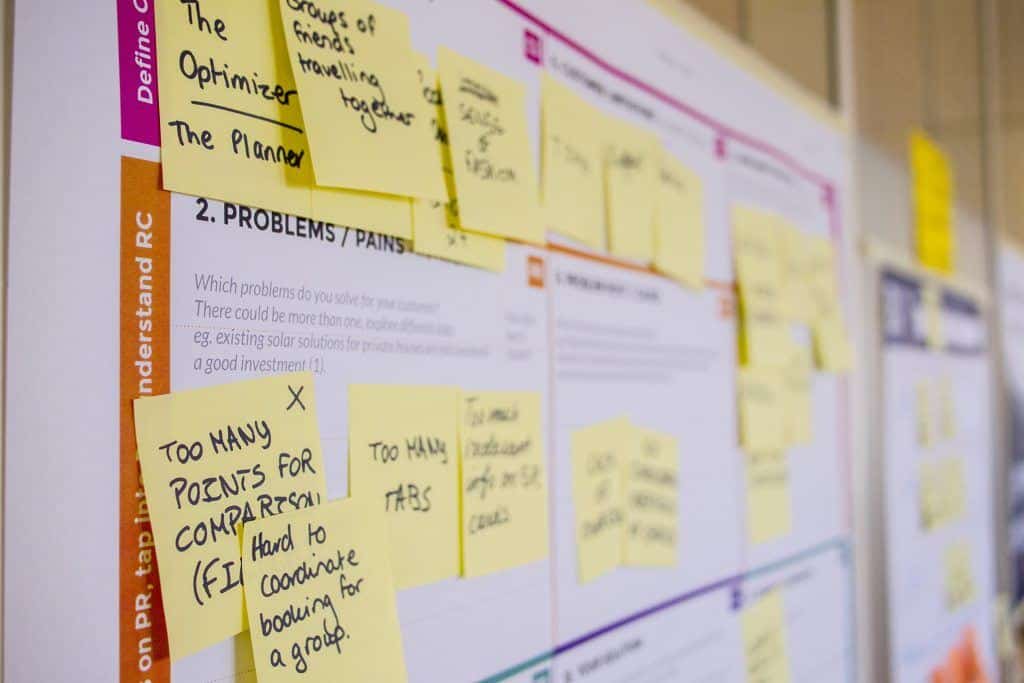
You gather input from colleagues who have direct customer contact: sales, customer service, project management. During a joint session, you bring together their observations. What questions do they often get? What objections do they hear? What goals do customers mention? You supplement this with existing data from your CRM, Google Analytics or e-mail campaigns. Within half a day, you have a workable profile with name, function, pain points and motivations. This profile is not a fact, but a shared hypothesis that you can validate later.

Why proto personas came into being and when to deploy them

The concept emerged as a reaction to lengthy research processes that paralysed small teams. Not every company has budget for dozens of interviews or ethnographic research. A proto persona offers a middle ground: better than nothing, faster than traditional persona research. You deploy it at the beginning of a process, for example when designing a new website or rewriting your homepage. It gives focus to design choices, helps prioritise and prevents you from designing for yourself instead of for your customer.

What a proto persona delivers in practice

With SME clients, we see that a proto persona especially helps to settle discussions. Should the homepage show technical specs or offer reassurance? If your proto persona is a risk-averse buyer, choose trust signals. Should you avoid jargon or instead show expert knowledge? Depends on the level of knowledge in your profile. A proto persona makes abstract target groups concrete. In an SEO process, it helps when choosing keywords: what language does this persona use? A well-drafted proto persona speeds up decision-making and prevents endless internal disagreements on taste.
Applications of a proto persona

A proto persona is used in situations where you need to choose direction quickly without access to extensive user research. Below you can see four concrete applications where SME companies use proto personas, plus a decision criterion when this is or is not the right approach.

Web design and information architecture

When designing a new website, your proto persona determines what information comes first. A technical director wants to see specifications and certifications, an entrepreneur looks for quick results and ROI examples. Your proto persona helps prioritise menu items, write headlines and choose visual style. In practice, we find that teams without a persona endlessly discuss details. With a proto persona, you simply ask: would this person click on this? That speeds up the design process by weeks. You later validate with A/B testing whether your assumptions were correct.

Content strategy and SEO focus

For content marketing, your proto persona determines what topics and tone you choose. A start-up looks for basic explanations and roadmaps, an experienced manager wants in-depth case studies and benchmarks. Your proto persona also guides your keyword choice: what questions does this person ask Google? What language does he use? At a B2B service provider with 12 employees, we saw that their proto persona, an operations manager, mainly searched for "how to" questions and risk management. This led to a completely different content strategy than if they had written for an innovative director.

Campaign targeting and advertising

In online ads, a proto persona helps choose platforms, audience segments and ad copy. You reach a young professional via LinkedIn with career-oriented messages, an experienced professional via trade magazines with practical examples. Your proto persona also determines which objections you remove in your ad copy. Is price the most important barrier, or rather uncertainty about implementation? By tailoring your ads to one clear profile, you increase relevance and reduce waste. This works better than broad campaigns that don't really appeal to anyone.

When a proto persona is the right choice and when it is not

A proto persona fits when you need to start quickly, have limited budget or access to users is difficult. It is not a substitute for real research, but a starting point. Don't use it if you already have access to customers or if your product is complex and unknown. In those cases, a proto persona provides too many assumptions. Also not suitable: if your team is fundamentally divided on who the customer is. Then you need stakeholder interviews and data analysis first. A proto persona works best as an intermediate step: draft it quickly, work with it, and validate with real user feedback within three months.

Want to apply this in your company? Monkey Vision helps SME entrepreneurs with web design, SEO and smart digital solutions. Plan a no-obligation discovery call and discover what is possible for you.

Plan a discovery call

Frequently asked questions

No, the difference is in the underpinnings. A buyer persona is based on interviews, surveys and observations of real customers. A proto persona you build from internal knowledge and assumptions. Both describe an ideal customer with goals and frustrations, but a proto persona is a hypothesis you still have to validate. In practice, you use a proto persona if you need to start quickly or don't have access to users. A buyer persona is more reliable but takes more time and budget. For SMEs, a proto persona is often the first step, which you later convert into a full-fledged buyer persona once you have collected data.

Choose a proto persona if you want quick direction for design or content choices and your team has internal customer knowledge. Choose a full audience analysis if you have budget, access to customers and time for research. You deliver a proto persona in a day, a thorough analyse takes weeks. For a website relaunch with a tight deadline, a proto persona works better. With a new product or unknown market, analyse is indispensable. In practice, many companies combine both: start with a proto persona, validate with small tests, and refine later with in-depth research. That way, you balance speed and reliability.

The biggest pitfall is to mistake assumptions for facts. A proto persona is a guess, not a truth. Teams sometimes forget to validate and build on incorrect profiles for months. Second risk: you project your own preferences onto the persona instead of using real customer insights. Third pitfall: getting too detailed without substantiation. A proto persona with exact age, three hobbies and favourite coffee feels concrete but is usually made up. Limit yourself to what you really know or can infer. Validate within three months with user testing, analytics or customer interviews. This way, you avoid serving a fictional person instead of your real target audience.

Want to know if your current website matches what your customers are really looking for? In a free 30-minute UX scan, we walk through your site live and hold up a mirror to your visitor. You immediately get three concrete areas for improvement that you can pick up this week, plus insight into where visitors drop out. No theory, just practical advice based on what works for SMEs like yours. Schedule a web design session at Monkey Vision and discover where the biggest opportunities lie.

About the author

Monkey Vision

Monkey Vision is a full-service digital agency based in London, specialising in web design agency, SEO and AI automation for SMEs. The knowledge base is compiled by our team of online strategists and continuously updated based on current insights.

Publication date: 26-04-2026
Last update: 26-04-2026