Visual Design

Visual design, Graphic design, Interface design, UI design, Visual design, Image design
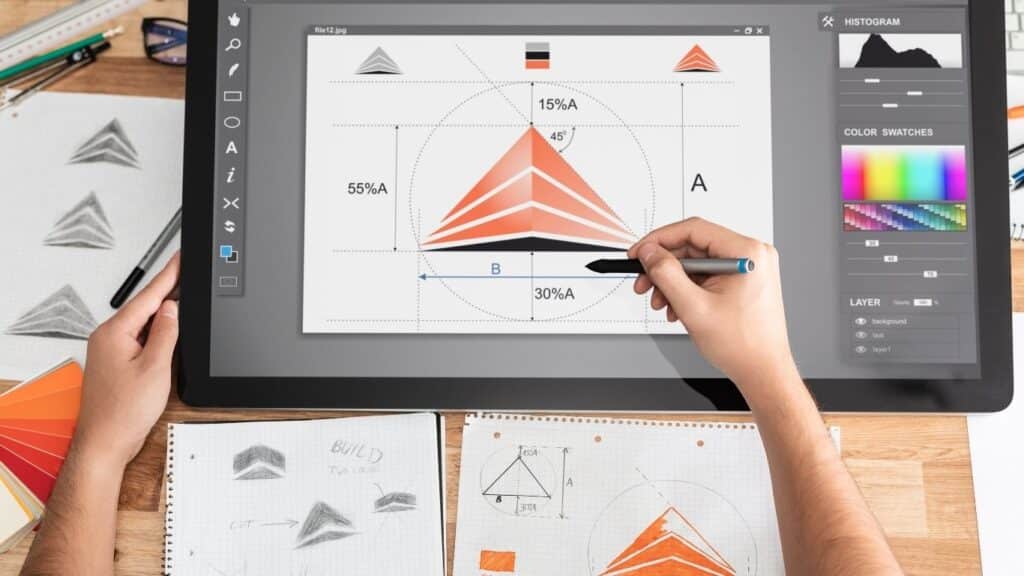
Visual design is the visual design of digital products such as websites, apps and interfaces. It determines how users experience your brand.

What is Visual Design?

Visual design is the visual design of digital products such as websites, apps and interfaces, using colour, typography, imagery and layout to create a consistent brand experience. It differs from graphic design in that it focuses specifically on interactive digital environments and user interaction. For an SME company, visual design determines whether a visitor trusts your website and clicks on within three seconds.

How visual design works in practice

Visual design combines several disciplines: typography for readability, use of colour for emotion and hierarchy, white space for calmness and focus, and imagery for story and recognisability. A visual designer makes conscious choices in font combinations, colour palettes, icons, buttons and photography style. These choices follow from your brand identity and are recorded in a design system or style guide. In practice, you see that a well-considered visual layer makes the difference between a website that looks professional and one that sows doubt. An online shop with clear product photos, consistent typography and quiet white space converts better than a busy page with ten fonts and bright colours.

Why visual design matters more now than ever

Visual design emerged as a discipline when digital interfaces became more complex and users had higher expectations. Whereas websites in the 1990s were mainly assessed technically, now visual appearance determines within seconds whether someone stays or leaves. Google has been measuring visual stability as part of Core Web Vitals since 2021, making visual design also an SEO factor. For SMEs, it is a competitive advantage: a clear visual identity makes you recognisable among dozens of similar providers. Our trajectories show that companies with a strong visual line spend on average less budget on ads because visitors trust and convert faster.

What visual design brings to your company

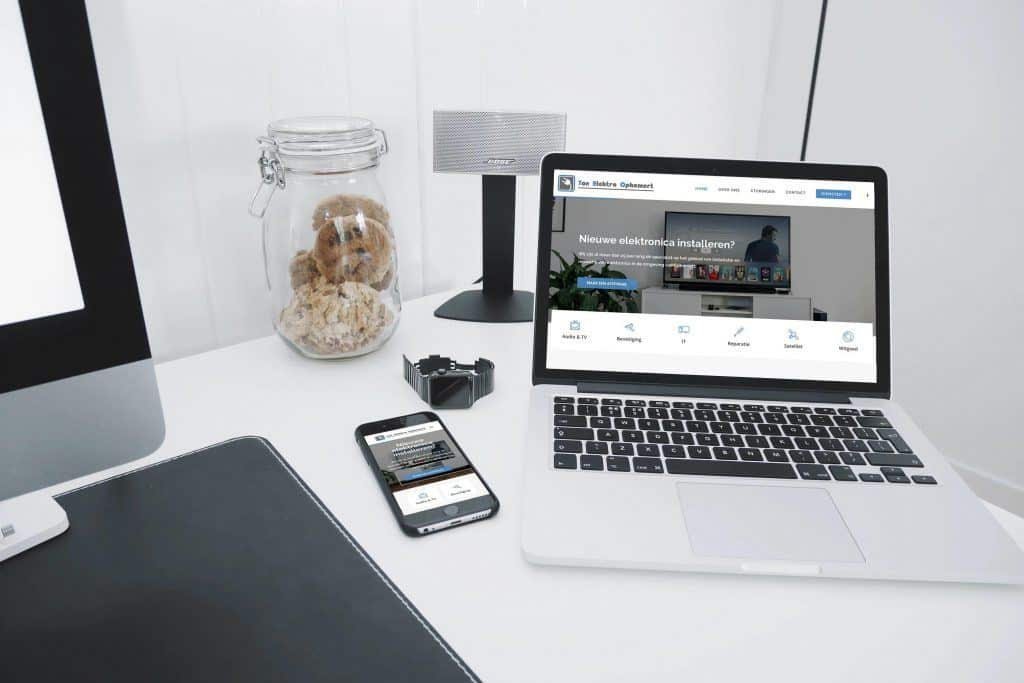
A strong visual design increases the perceived quality of your services or products. Visitors stay on your site longer, click through to your offering more often and remember your brand better. Visual design works closely with user experience and user interface: the visual layer makes the interface understandable and attractive. When Monkey Vision Vision makes a website, we translate your brand identity into a visual system that works on desktop, tablet and mobile. This not only results in a more beautiful site, but also higher conversion and lower bounce rates because visitors find what they are looking for faster.
Applications of Visual Design

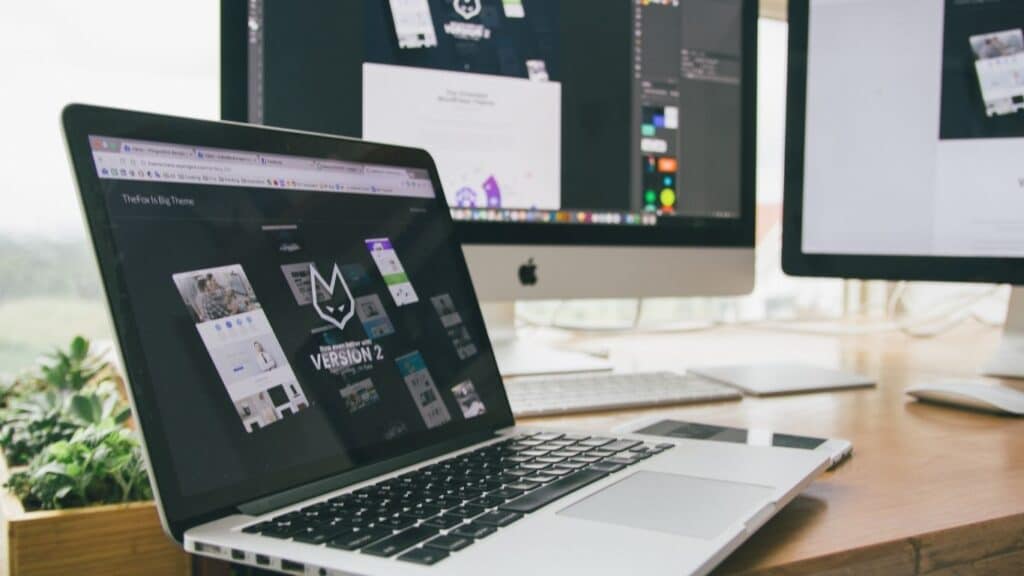
Visual design plays a role in every digital contact moment with your customer. From the landing page someone lands on to the confirmation e-mail after a purchase: the visual design determines whether the experience feels professional, reliable and recognisable. Below are four concrete applications in which visual design makes a measurable difference for SMEs.

High-conversion website and landing pages

A landing page for a campaign or service leans heavily on visual design. The hierarchy of headlines, the colour of call-to-action buttons, the choice of imagery and the amount of white space determine whether a visitor clicks through or leaves. In practice, we see that pages with one clear visual focus and calm colour areas convert better than busy pages with multiple focal points. As an example, a B2B service provider with 12 employees increased the conversion rate of its quote request page by 34% by simplifying the visual design to one colour focus, one font and three clear sections. The SEO value of that page also increased, as visitors stayed longer and returned to Google less often.

Online shops with consistent product presentation

For online shops, visual design is crucial in product pages, category listings and checkout. The way you photograph products, how you display prices, what colour your 'Add to cart' button is and how you place trust signals determine the buying decision. An online shop with five hundred products benefits from a clean design system: consistent product cards, clear typography for prices and a quiet background that lets the product speak for itself. Our online shop projects show that a uniform visual line increases trust and reduces shopping cart abandonment. Customers perceive the shop as more professional and reliable, which makes all the difference, especially for more expensive products.

Branding and brand identity across all channels

Visual design translates your brand identity into concrete visual elements to be used everywhere: website, social media, e-mail marketing, presentations and offer documents. An SME company with a clear visual identity is more quickly recognised and remembered. Think of a fixed colour palette, a set of fonts, a photography style and an icon library. You record these elements in a brand identity or design system. In practice, we see that companies with a tight visual line spend less time creating new materials, because every designer or marketer knows which colours, fonts and style to use. This not only saves time, but also enhances the brand experience at every interaction.

When visual design is the right choice and when it is not

Visual design is the right investment if you want to improve brand experience and conversion, if you compete in a visually driven market or if you position products or services premium. It is less urgent if your website is mainly functional and users already know exactly what they are looking for, such as an internal portal or a technical documentation site. Even with a very limited budget, it is better to focus on usability and speed first, and add visual design later. A common mistake is to use visual design separately from strategy: beautiful design without a clear message or target group does not deliver results. Visual design works best as part of a broader digital strategy in which brand, UX and conversion come together.

Want to apply this in your company? Monkey Vision helps SME entrepreneurs with web design, SEO and smart digital solutions. Plan a no-obligation discovery call and discover what is possible for you.

Plan a discovery call

Frequently asked questions

No, visual design and graphic design overlap but are not the same thing. Graphic design focuses on visual communication in print and digital, such as logos, brochures, posters and advertisements. Visual design is more specific: it deals with the visual design of interactive digital products such as websites, apps and interfaces. Where a graphic designer designs a flyer, a visual designer designs the buttons, forms and navigation of a website. Visual design also takes into account responsive behaviour, animations and accessibility. In practice, the two disciplines often work together: the graphic identity forms the basis, visual design translates it into digital interaction.

It depends on your priority. UX design focuses on the user experience: how easy and logical a website or app works. Visual design focuses on the visual appearance: how attractive, recognisable and professional it looks. In practice, you work both areas together. If your website works well functionally but doesn't convert, chances are visual design is the problem. If visitors get lost or express frustration, UX design is the priority. For a complete digital product, you need both. At Monkey Vision , we combine UX and visual design in every web design project, so that the site is not only beautiful but also works.

Start with a visual audit: look at your current website, social media and other expressions and ask yourself whether they come across as consistent and professional. Make an inventory of the colours, fonts and visual styles you currently use and whether they match your brand identity. Create a mood board with examples of visual design that appeal to you and analyse why. Then lay down a basic set: two or three brand colours, a primary and secondary font, a photography style and a few icons. You shape those elements into a simple design system. Don't have any design experience? Then work with a designer or agency that combines visual design with strategy, as in a corporate identity project.

The biggest pitfall is design without strategy: a beautiful site that does not match your target audience or brand positioning does not deliver results. Another common mistake is inconsistency: mixing different fonts, colours and styles distorts recognisability. Too many visual stimuli are also counterproductive: visitors do not know where to look and drop out. In addition, we often see that visual design is not thought through responsively, making the site look cluttered on mobile. Finally, visual design should never come at the expense of accessibility. Too low contrasts, too small fonts or decorative elements that block navigation exclude users and hurt your SEO.

The best approach depends on your current situation and ambitions. Do you already have a working website but doubt whether the look and feel is professional enough? Schedule a free 30-minute design scan at Monkey Vision. We walk through your site live and immediately give you three concrete points of improvement on visual design, plus an honest estimate of what a visual update would deliver for conversion and brand experience. Not a sales pitch, but practical advice you can pick up this week. Check out our approach at have your website made or contact us for a no-obligation consultation.

About the author

Monkey Vision

Monkey Vision is a full-service digital agency based in London, specialising in web design agency, SEO and AI automation for SMEs. The knowledge base is compiled by our team of online strategists and continuously updated based on current insights.

Publication date: 26-04-2026
Last update: 27-04-2026