Webinar

Online seminar, Web seminar, Webinar session, Online presentation, Digital seminar, Internet presentation
A webinar is an online seminar in which you present, teach or discuss with participants live via the internet. It is useful for knowledge sharing, lead generation and customer retention.

What is a webinar?

A webinar is an online seminar in which you present, teach or discuss live via the internet with participants in different locations. The term is a combination of ‘web’ and ‘seminar’. Participants follow the presentation via their browser or an app, often with options for chat, polls and Q&A sessions. For small and medium-sized companies, a webinar is an efficient way to share expertise, generate leads and build customer loyalty without incurring travel costs or venue hire fees.

How does a webinar work from a technical perspective?

A webinar runs on specialised software such as Zoom, Microsoft Teams, Google Meet or platforms like Demio and WebinarJam. You schedule a session, send out invitations with a unique access link and present at the agreed time. Participants can see your screen, slides or camera and can respond via chat or microphone. Most platforms offer recording functionality, so you can reuse the session later. Integrations with SEO-focused content marketing and CRM systems make it possible to process registrations automatically and segment participants. Technically, you’ll need a stable internet connection, a good microphone and, ideally, a webcam. For larger webinars, it’s useful to have a moderator to manage questions whilst you’re presenting.

Why webinars became popular and why they are still relevant today

Webinars have been around since the 2000s, but received a huge boost during the COVID-19 pandemic when in-person meetings were no longer possible. Companies discovered that they could reach a larger audience without travel costs and that recordings can be reused. Even after the pandemic, webinars remain popular because they are efficient and easily measurable. You can see exactly how many people register, who actually attends and how long they stay. For B2B companies, webinars are a proven method for generating qualified leads. Participants voluntarily provide their details in exchange for valuable knowledge, which makes them ‘warmer’ than cold leads from adverts.

What webinars offer companies

A webinar helps you build authority in your field. By sharing specific knowledge, you demonstrate that you know what you’re talking about, which builds trust with potential clients. Webinars are also effective for lead generation: participants who sign up for a session on a specific topic are often already interested in your service or product. Afterwards, you can send them targeted follow-ups. You also save time and money compared to in-person events. A 45-minute webinar can easily reach 50 to 200 participants without you having to hire a venue or arrange catering. With a well-thought-out content and SEO strategy, you can also offer the recording as an on-demand video, which delivers long-term value for your website and search engine visibility.

Applications of webinars

Webinars are highly versatile, ranging from customer acquisition to internal training. The specific application depends on your target audience, your offering and where your customers are in their customer journey. Below are four practical scenarios in which small and medium-sized companies use webinars effectively.

Knowledge sharing and thought leadership for B2B service providers

An accountancy firm, consultancy or IT service provider could organise a monthly webinar on current developments in the sector. Think of changes to tax legislation, new GDPR guidelines or cybersecurity trends. By sharing specific case studies and practical tips, you position yourself as an expert. Participants immediately experience the quality of your expertise, which lowers the barrier to getting in touch for a consultation. In practice, we see that companies which consistently deliver high-quality webinars achieve a higher conversion rate than those which rely solely on advertising. You can reuse the recordings as gated content on your website, allowing you to continue generating leads even after the live session. Including a link to your professional company website in the follow-up email reinforces your credibility.

Product demonstrations and onboarding for SaaS and online shops

If you sell software, an online tool or a technical product, a webinar is ideal for demonstrating how it works live. Instead of a static video listing all the features, a webinar allows you to respond to participants’ questions and highlight specific use cases. For example, an online shop specialising in gardening products could host a seasonal webinar on creating a vegetable garden, showcasing products from its range. For SaaS companies, a weekly onboarding webinar works well: new customers can watch live as the software is set up and ask questions straight away. This reduces the pressure on support and increases customer satisfaction. Webinars featuring product demos often convert better than cold emails, as participants are already interested enough to set aside time to attend.

Customer retention and upselling for existing clients

Webinars aren’t just for new leads. Inviting existing clients to an exclusive session on advanced applications or new features strengthens the relationship and opens up opportunities for upselling. For example, a marketing agency could organise a quarterly webinar for clients on the latest marketing automation capabilities. A wholesaler could offer retailers a webinar on seasonal trends and product range planning. By regularly providing existing customers with valuable insights, you increase their engagement and reduce churn. In practice, it has been shown that customers who take part in webinars tend to remain customers for longer on average and are more likely to upgrade to a higher service package. The personal interaction during the Q&A session reinforces a sense of partnership rather than a purely transactional relationship.

When a webinar is the right choice and when it isn’t

A webinar is a good fit if you want to convey complex information that requires interaction, or if you want to reach a larger group at once without travel costs. It works less well for topics that can be explained in two minutes, which are better suited to a blog post or short video. Similarly, if your target audience has limited digital literacy or lacks the time for a live session, you’re better off opting for on-demand video or a white paper. Webinars require preparation: a good presentation, promotion beforehand and a follow-up afterwards. If you don’t have time for this, a half-baked webinar will do more damage to your reputation than a well-written article. Opt for a webinar if you can genuinely add value and are prepared to invest in quality and interaction.

Want to apply this in your company? Monkey Vision helps SME entrepreneurs with web design, SEO and smart digital solutions. Plan a no-obligation discovery call and discover what is possible for you.

Plan a discovery call

Frequently asked questions

No, although both take place online, the purpose is different. A webinar is a presentation or seminar with a speaker and a larger audience, in which the speaker shares knowledge and the audience mainly listens and asks questions. An online meeting is an interactive session in which all participants contribute equally to the discussion or decision-making. Technically, both can run on the same platform, but in a webinar, features such as screen sharing, polls and Q&A are central, whilst meetings focus more on collaboration and consultation. For knowledge sharing or lead generation, choose a webinar; for project coordination or brainstorming, choose a meeting.

Both have their place. A live webinar creates a sense of urgency and interaction: participants can ask questions straight away and feel personally addressed. This boosts engagement and conversion rates. A recorded session offers flexibility: people can watch at their own convenience, and you can reuse the recording as evergreen content on your website. In practice, a combination works best. Organise live webinars for lead generation and customer retention, record them and then offer them as on-demand content for people who missed the live session. This way, you maximise your reach and value. For product launches or time-limited offers, live is always more effective because of the sense of urgency it creates.

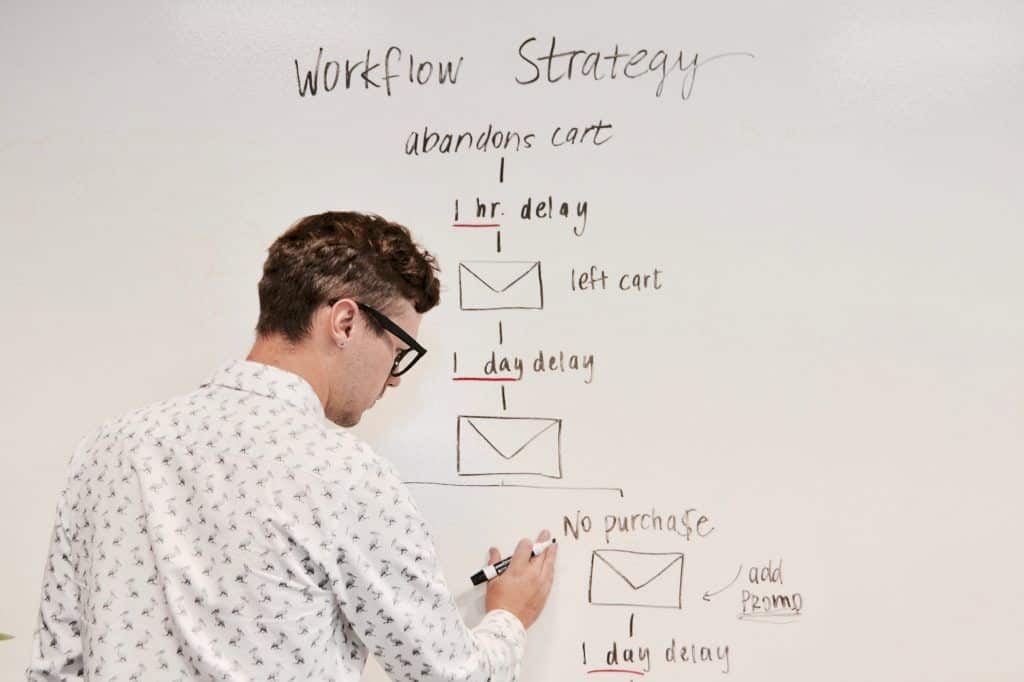
Start with a specific topic that your target audience is struggling with and in which you have expertise. Choose a webinar platform that suits your budget and technical skills, such as Zoom or Google Meet for simplicity, or Demio for more marketing features. Create a short presentation of 30 to 45 minutes with practical tips – no sales pitch. Promote the session via your website, newsletter and social media at least two weeks in advance. Test your equipment the day before the session: sound, camera, screen sharing and internet connection. Allow 10 minutes for a Q&A and, afterwards, send participants a thank-you email with the recording and a specific next step. Start small, learn from each session and scale up once you’ve got the hang of the format.

The best approach depends on your target audience, your offering and where you currently stand with content and lead generation. Do you want to use webinars as part of a broader content marketing and SEO strategy? Then book a free 45-minute strategy session with Monkey Vision. Together, we’ll look at your target audience, your current channels and which webinar topics have the most potential. You’ll immediately receive a concrete step-by-step plan, including technical setup, a promotional approach and follow-up workflows that integrate with your CRM. No generic advice, but a plan tailored to your industry and the time you have available. Get in touch via our SEO and content services and launch your first webinar within two weeks.

About the author

Monkey Vision

Monkey Vision is a full-service digital agency based in London, specialising in web design agency, SEO and AI automation for SMEs. The knowledge base is compiled by our team of online strategists and continuously updated based on current insights.

Publication date: 12 June 2026
Last updated: 12 June 2026