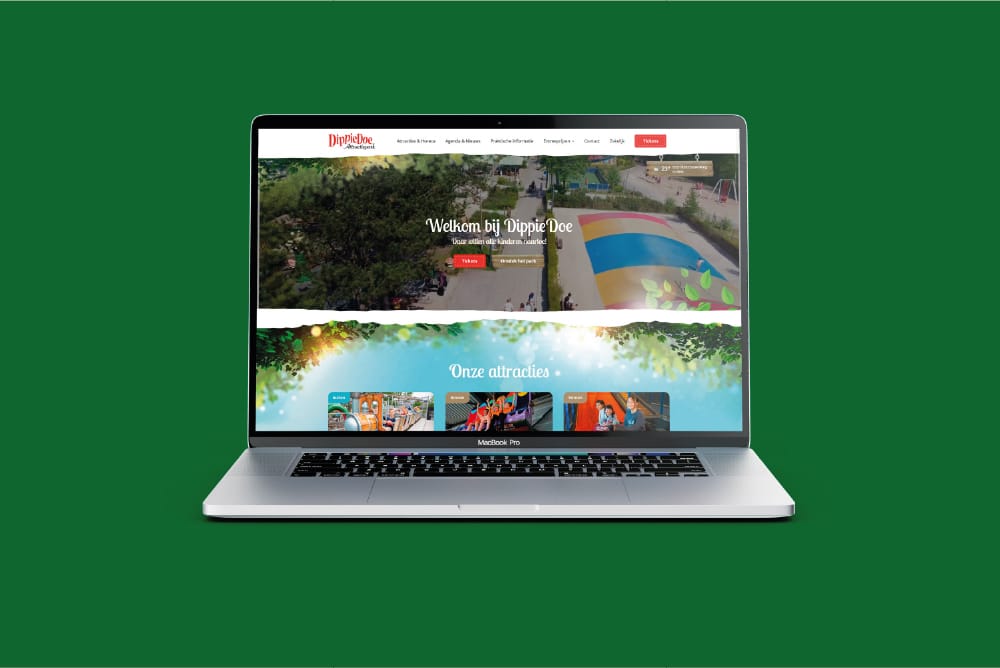
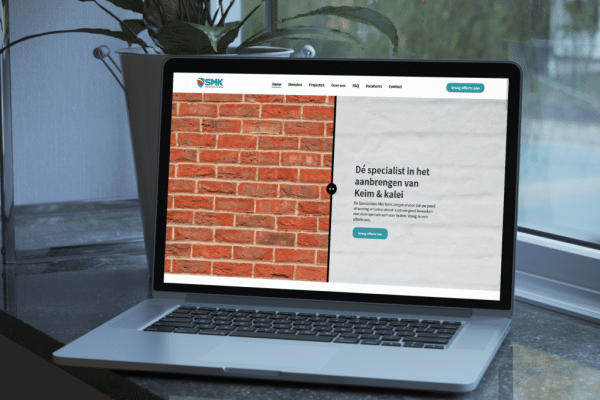
Touchpoints are all the moments when a customer comes into contact with your brand, product or service. This can be before, during or after a purchase. Think of a visit to your website, a conversation with customer service, an advert on social media or unpacking an order. Every touchpoint forms a piece of the puzzle in the overall customer experience and influences how someone perceives your company. For SMEs, understanding these moments is crucial to consciously guiding the customer journey.
How touchpoints shape the customer experience
Touchpoints operate as a chain of impressions. A potential customer might first see a Google ad, then visit your website, then call your sales team and finally receive a quote by email. Each of these moments is a touchpoint. The quality of each individual touchpoint stacks up. A fast, clear website does not automatically compensate for a slow e-mail response. In practice, we often see with SME customers that companies invest a lot in one touchpoint such as a beautiful website, but that telephone accessibility or the confirmation e-mail remains substandard. The weakest link often determines the final verdict. Touchpoints are not only digital. A physical shop, a trade fair, packaging material or even an invoice are equally contact moments that leave an impression.
Why touchpoint management is more important now than ever
The concept of touchpoints has been around for decades, but gained new urgency with digitalisation. Customers now have dozens of channels at their disposal and expect a consistent experience on each channel. A B2B buyer who googles your company, views your LinkedIn page, downloads a whitepaper and then calls, experiences four different touchpoints in one hour. If the tone of voice on LinkedIn is informal but your operator answers formally, friction is created. Our projects show that SMEs often do not have a complete overview of all contact moments. They know that customers call and e-mail, but forget, for instance, the automatic confirmation e-mail, the Google My Company reviews or the packing slip in the box. Those 'forgotten' touchpoints often determine the difference between a satisfied customer and a disappointed one.
What touchpoint analysis brings to your company
By mapping your touchpoints, you find out where customers drop out or get excited. For example, an online shop with 200 orders a month noticed that customers left the checkout en masse after seeing the shipping costs. That checkout screen was a critical touchpoint. By showing shipping costs earlier in the process, cart abandonment dropped by 18 per cent. Another example: a B2B service provider discovered that after an initial conversation, customers often had to wait weeks for a quote. That wait was a negative touchpoint. By halving the lead time, conversion increased noticeably. A well thought-out brand strategy and visual identity helps make all touchpoints consistent and recognisable, from website to business card. Touchpoint management is not a one-off project but an ongoing process. New channels, new customer expectations and new competitors require regular evaluation.