Brand Core

Brand Core, Brand Essence, Brand Foundation, Brand DNA, Core Brand Identity
Brand Core is the essence of your brand: the unchanging set of values, beliefs and characteristics that define who you are and how you stand out. It guides all brand communications and decisions.

What is Brand Core?

Brand Core is the strategic foundation of your brand: the collection of core values, beliefs, personality and promise that together define who you are as an organisation. It’s not about what you do or sell, but about why you exist and how you stand out. A clear Brand Core provides direction for all brand communications, from your brand identity to your tone of voice, and helps you make consistent choices in communication, product innovation and customer experience. For small and medium-sized companies, it forms the basis for brand recognition, trust and lasting customer relationships.

How a Brand Core is structured

A Brand Core consists of four fixed elements. Firstly, your brand values: the principles your organisation stands for and which are non-negotiable. Think of transparency, craftsmanship or sustainability. Secondly, your brand promise: what your customers can always expect from you, regardless of the product or service. Thirdly, your brand personality: the human traits your brand would possess if it were a person, such as approachable, reliable or rebellious. Fourthly, your brand story: the ‘why’ behind your existence, the reason you ever started out and what you want to contribute. Together, these four elements form an internal compass that guides all external communications and internal decisions.

Why Brand Core is now essential for small and medium-sized companies

The Brand Core concept stems from the brand strategy practices of major brands such as Nike and Apple, but has become increasingly accessible to SMEs in recent years. The reason is simple: in a market with endless choice and online transparency, customers are looking for companies that align with their own values. A well-defined Brand Core helps you provide clarity on this. Research by Statistics Netherlands (CBS) shows that brand recognition and trust are playing an increasingly significant role in purchasing decisions, particularly in B2B services. For small and medium-sized companies, this means that a well-defined Brand Core is no longer a luxury, but a prerequisite for standing out amongst similar providers.

What a clear Brand Core delivers in practice

With a well-defined Brand Core, you can make decisions more quickly and consistently. When launching new products, entering into partnerships or running campaigns, you can test them against your core: does this fit with who we are? In practice, we see with SME clients that a clear Brand Core leads to more efficient briefings, less discussion about design and tone of voice, and a stronger sense of ownership amongst teams. It also helps with recruitment: candidates who identify with your values are more likely to stay for longer. Furthermore, a well-defined Brand Core makes your brand identity and brand core much stronger, as all visual and verbal choices stem from the same source. It is not a campaign element, but a long-term investment in recognisability and trust.


Applications of Brand Core

You don’t just use a Brand Core when launching a brand, but throughout all stages of your company. Below, you can read how a clear Brand Core makes a tangible difference in the day-to-day practice of SME entrepreneurs, from strategy to execution.

Brand Core as the basis for brand identity and visual identity

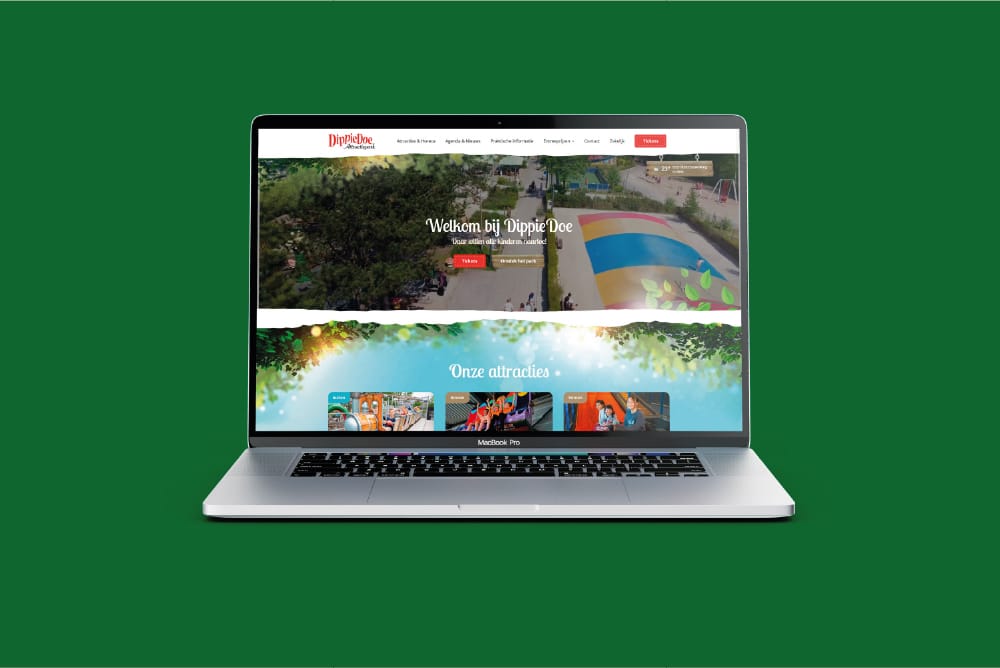
Your Brand Core determines how you look. If your brand personality is approachable and warm, you’ll choose different colours, shapes and typography than if you’re premium and aloof. In practice, we see with SME clients that a well-defined Brand Core speeds up the design process: designers do not have to guess what will work, but can translate the core values directly into design. An example: an installation company with ‘craftsmanship’ as its core value opts for clean lines, dark shades and robust typefaces, whilst a childcare centre with ‘playfulness’ as its value chooses rounded shapes and primary colours. Without a Brand Core, this becomes arbitrary. With Brand Core, it becomes logical and recognisable. This also applies to photography, icons and animations: everything stems from the same core.

Brand Core in content creation and tone of voice

Your Brand Core dictates what you say and how you say it. If your brand promise is honesty, you’ll write differently than if your promise is speed. With small and medium-sized companies, we often find that the tone of voice remains vague until the Brand Core is clear. A law firm with ‘accessibility’ as its core value writes in plain, understandable United Kingdom English and avoids legal jargon. A technical consultancy with ‘precision’ as its core value, on the other hand, opts for detailed explanations and technical terms where relevant. In video, podcasts or social media too, your Brand Core determines whether you adopt a formal or informal tone, whether you use humour, and which topics you do or do not address. This makes content marketing more efficient: you know what suits you and what doesn’t.

Brand Core in strategic decisions and partnerships

A Brand Core helps you make choices that go beyond marketing. Which clients do you accept? Which suppliers do you work with? Which innovations do you adopt? In practice, we see that small and medium-sized companies with a clear Brand Core are quicker to turn down projects that aren’t a good fit, thereby keeping space for those that are. An example: a web design agency with sustainability as its core value consciously opts for green hosting and refuses projects from companies with a poor environmental reputation. This may seem restrictive, but it actually attracts clients who share the same values. Your Brand Core also serves as an anchor during mergers, acquisitions or rebranding: what stays the same, and what can change?

When Brand Core is the right choice and when it isn’t

Developing a Brand Core makes sense if you want your brand to grow consistently, if you have multiple touchpoints (website, social media, offline, packaging) or if your team is growing and you want everyone to work from the same foundation. It is also valuable if you find that your brand comes across as vague or haphazard. A Brand Core is less urgent if you’re a sole trader offering a single service to a single type of customer, or if your brand is purely functional and doesn’t aim to create an emotional connection. In such cases, clear positioning is often sufficient. Similarly, if your market is extremely price-sensitive and branding plays no role, a Brand Core offers little benefit. In such cases, do not invest in it, but focus on operational efficiency. A Brand Core works best in markets where trust, recognisability and distinctiveness provide a competitive advantage.

Want to apply this in your company? Monkey Vision helps SME entrepreneurs with web design, SEO and smart digital solutions. Plan a no-obligation discovery call and discover what is possible for you.

Plan a discovery call

Frequently asked questions

No, Brand Core is broader and deeper. Your mission describes what you do and for whom; your vision describes where you want to go. Your Brand Core is about who you are: the values, personality and promise that remain unchanged, regardless of what you do or how you grow. In practice, you’ll see that missions and visions are regularly updated, for example when entering new markets or launching new product lines. Your Brand Core remains stable. For example: your mission might be to supply sustainable packaging to the hospitality sector, and your vision to become the market leader in the Benelux. Your Brand Core might then be honesty, craftsmanship and environmental awareness. That core remains, even if you later go on to serve retail customers or enter international markets. The Brand Core is the foundation; the mission and vision are the direction.

Brand Core and brand positioning complement each other, but serve different purposes. Your Brand Core is internally focused: it defines who you are and why you exist. Your positioning is externally focused: how you stand out in the market and what place you occupy in the customer’s mind. If you’re just starting out or your brand is vague, begin with your Brand Core. This provides direction for everything that follows, including positioning. If your Brand Core is clear but you’re losing business to competitors, work on your positioning. In practice, we see that small and medium-sized companies with a strong Brand Core find it easier to establish a clear positioning, because they know what they stand for. Without a Brand Core, positioning often becomes opportunistic and changes with every campaign. Ideally, you should develop both, but if you have to choose: start with the Brand Core.

Start with an in-house workshop with your core team or co-owners. Ask four questions: why did we start this in the first place, which values are non-negotiable, how do we want customers to perceive us, and what does our brand always promise? Write down all the answers and look for overlaps and patterns. From these patterns, distil your core values, brand promise and personality. Then test these against existing customers: do they recognise this in your brand? Adjust where necessary. A common mistake is to remain too abstract. ‘Quality’ is not a core value, but ‘craftsmanship you can see and feel’ is. Ensure your Brand Core is concrete enough to guide your decisions. If you need help with this process, you can start a brand development programme with Monkey Vision , in which we’ll work out your Brand Core together and translate it directly into a visual and verbal identity.

The best first step depends on where you are right now. Do you already have a functioning brand but feel it comes across as vague or inconsistent? Or are you launching a new brand and want a strong foundation straight away? In both cases, a structured brand journey will help. Book a free 30-minute brand exploration session with Monkey Vision. We’ll walk through your current brand communications live, ask the four key questions and give you immediate insight into where your Brand Core is currently unclear. You’ll receive three concrete areas for improvement that you can tackle this month, plus an honest assessment of whether a full brand journey makes sense for your situation. No sales pitch, just practical advice you can put to use straight away.

About the author

Monkey Vision

Monkey Vision is een full-service digitaal bureau in Nijmegen, gespecialiseerd in webdesign, SEO en AI-automatisering voor het MKB. De kennisbank is samengesteld door ons team van online-strategen en doorlopend bijgehouden op basis van actuele inzichten.

Publication date: 26-04-2026
Last update: 26-04-2026